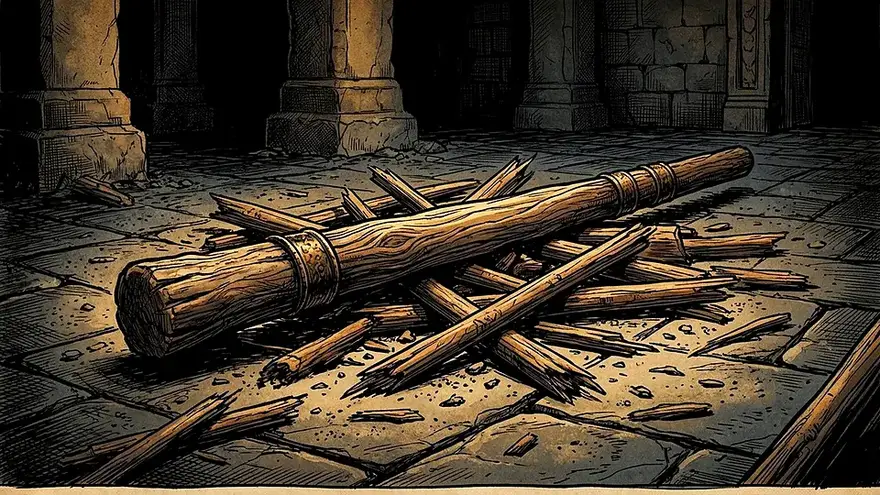
In Exodus 7:11–12, Pharaoh's Egyptian lector-priests (chartummim) who mimic Aaron's serpent-staff are completely anonymous. Yet in 2 Timothy 3:8, Paul casually names their ringleaders Iannēs kai Iambrēs ('Jannes and Jambres'). Dead Sea Scroll manuscripts of the Damascus Document (CD 5:17–19), pagan Roman author Pliny the Elder, Aramaic Targums, and lost Greek papyri prove their names circulated across the ancient Mediterranean.
Nameless in Exodus 7, household names in 2 Timothy 3:8
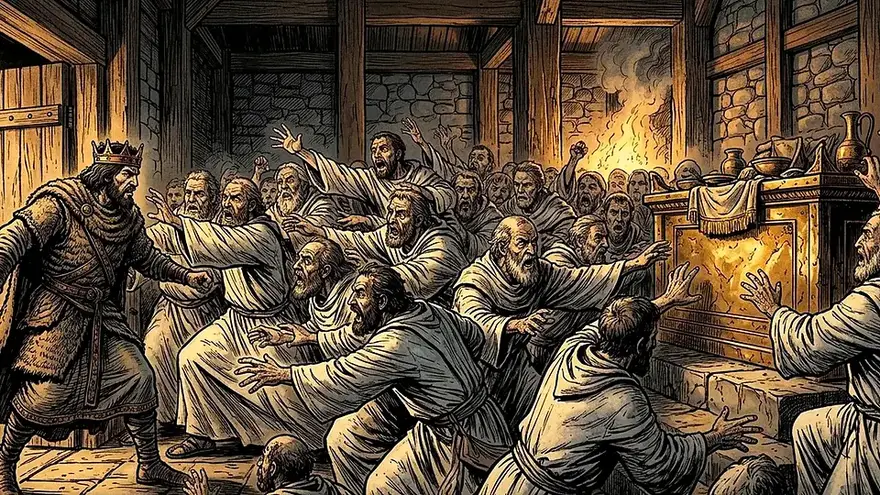
Open Exodus 7:11 as Moses and Aaron cast down their staff before Pharaoh. Pharaoh summons Egypt's wise men and chartummim—an exact Hebrew loanword from Egyptian ḥry-ḥb ḥry-tp ('chief lector-priests'), temple scholars trained to recite ritual and snake-charming papyri. They mimic Aaron's serpent-rod, bloody water, and frogs before failing at the gnats ('This is the finger of God!' Exodus 8:19) and suffering boils (9:11).
Not once does Exodus name a single magician. Yet thirteen centuries later in 2 Timothy 3:8–9, Paul writes casually: 'Just as Jannes and Jambres opposed Moses, so these men also oppose the truth.'
Exodus 7:11 & 2 Timothy 3:8–9“Exodus 7:11 — 'Then Pharaoh summoned the wise men and the sorcerers, and they, the magicians (chartummim) of Egypt, also did the same.' · 2 Timothy 3:8 — 'Just as Jannes and Jambres opposed Moses, so these men also oppose the truth.'”
Why It Matters: Not only does Exodus 7:11 use an authentic Egyptian priestly loanword (chartummim) rather than generic 'magicians,' but Dead Sea Scroll manuscripts prove the names Jannes and Jambres circulated over a century before Paul penned 2 Timothy 3:8!
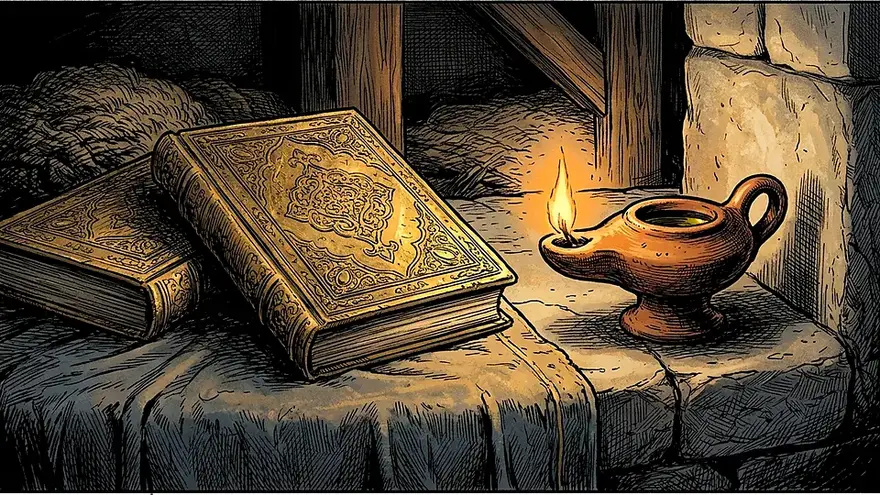
Scrolls & Archaeology: Seven Qumran Cave 4 manuscripts (4Q266–4Q272) plus the Cairo Genizah Zadokite text (CD V.17–19, composed c. 100 BCE) explicitly recount how Belial raised up 'Yohanan [Jannes] and his brother' against Moses and Aaron, while Western Greek-Latin codices (F, G, and Jerome's Vulgate) preserve the older b-spelling Mambres matching Talmud Menachot 85a (Yohana and Mamre). Even pagan Roman admiral Pliny the Elder (Natural History 30.2.11, published 77 CE) independently named 'Moses, Jannes, and Lotapes' in his history of ancient magic, before 4th-century Chester Beatty Papyrus XVI preserved Greek leaves of the lost Book of Jannes and Jambres.
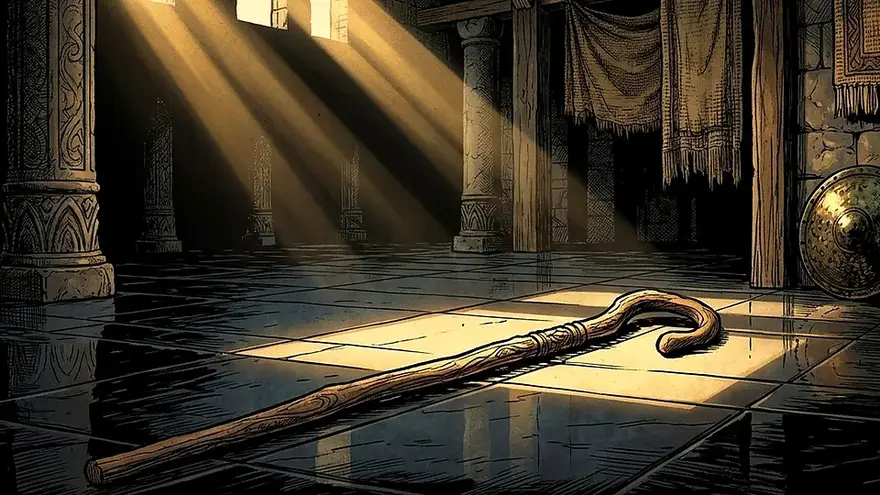
Unearthed in the Dead Sea Scrolls: 'Yohaneh and his brother'
Where did Paul get two names missing from the Hebrew Bible? Before twentieth-century archaeology, critics suspected late Christian invention. Then scholars read the Damascus Document—found first in Cairo's Synagogue Genizah in 1897 and confirmed across ten Dead Sea Scroll fragments from Qumran Caves 4, 5, and 6 dating to the first century BCE.
Column 5, lines 17–19 reads: 'Moses and Aaron arose by the hand of the Prince of Lights, and Belial in his cunning raised up Yohaneh and his brother (יוחנה ואחיו) when Israel was saved the first time.' Over a century before 2 Timothy, Judeans already knew Yohaneh (Iannēs).
Damascus Document (CD 5:17–19, Dead Sea Scrolls)“For in ancient times Moses and Aaron stood up by the hand of the Prince of Lights, and Belial in his cunning raised up Yohaneh (Jannes) and his brother during the first deliverance of Israel.”
Famous in pagan Rome and Aramaic Targums: Pliny, Numenius, and Balaam's sons
Even more surprising, you didn't have to be Jewish or Christian to know Jannes and Jambres in the first-century Roman Empire. Around 77 CE, Roman naval commander and encyclopedist Pliny the Elder mentioned Moses and 'Jannes' together in his Natural History (30.2.11), and second-century Syrian-Greek Platonist philosopher Numenius of Apamea praised Jannes and Jambres as elite Egyptian sacred scribes ('hierogrammateis') handpicked by Egypt to counter Moses's prayers and plagues!
Meanwhile, Jewish Aramaic Targum Pseudo-Jonathan inserted 'Yannis and Yambris' directly into Exodus 1:15 (advising Pharaoh to drown Hebrew baby boys!) and Exodus 7:11—adding the colorful rabbinic twist that they were sons of Balaam who later perished in Numbers 22 or at the Golden Calf.
Exodus 8:18–19 & 9:11“Exodus 8:19 — 'Then the magicians said to Pharaoh, This is the finger of God.' · Exodus 9:11 — 'And the magicians could not stand before Moses because of the boils, for the boils came upon the magicians.'”
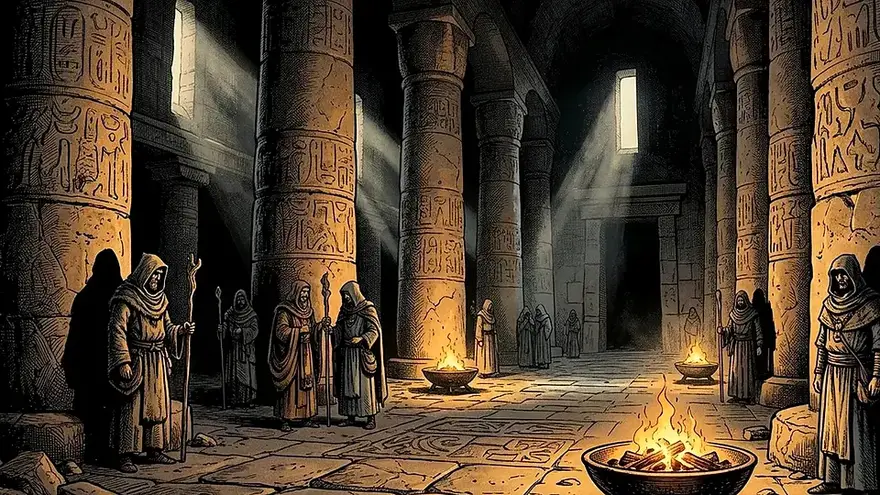
The lost 'Book of Jannes and Jambres' recovered on Egyptian papyrus
In the third century CE, Origen of Alexandria noted that Paul drew 2 Timothy 3:8 from a non-canonical scroll titled the Book of Jannes and Mambres. Lost for over a millennium, substantial Greek fragments of this Apocryphon of Jannes and Jambres finally surfaced in Vienna and in Dublin's fourth-century Chester Beatty Papyrus XVI.
In that vivid Second Temple tale, Jannes and Jambres duel Moses in Memphis until fatal ulcers strike Jannes down. Jambres later summons his brother's shade from Hades (Sheol), where dead Jannes weeps amidst fire and warns him: 'Brother, do right while you live—for I opposed Moses and Aaron!'
Acts 7:22“And Moses was instructed in all the wisdom of the Egyptians, and he was mighty in his words and deeds.”
Five Ancient Sources Naming Pharaoh's Magicians
How two unnamed Exodus priests became household names from Qumran caves to Roman libraries.
| Ancient Source | Date | Form of Names | Role Recorded |
|---|---|---|---|
| Damascus Document (Qumran CD 5) | ~100 BCE | Yohaneh and his brother | Agents raised by Belial to oppose Moses and Aaron |
| 2 Timothy 3:8 (Paul) | ~64–67 CE | Iannēs kai Iambrēs | Counterfeit wonder-workers whose folly became plain to all |
| Pliny the Elder, Nat. Hist. 30.2 | ~77 CE | Jannes (with Moses) | Pagan Roman notice linking Jannes to ancient magic |
| Numenius of Apamea (via Eusebius) | 2nd c. CE | Jannes and Jambres | Praised by pagan Platonist as elite Egyptian sacred scribes |
| Chester Beatty Papyrus XVI | 3rd–4th c. CE copy | Iannēs & Iambrēs | Lost apocryphon where Jannes warns Jambres from Hades |
What to Remember
- Hebrew chartummim in Exodus 7:11 borrows the authentic Egyptian priestly title ḥry-ḥb ḥry-tp ('chief lector-priests')—elite temple scholars who recited protective ritual scrolls.
- Qumran's first-century BCE Damascus Document (CD 5:17–19) names 'Yohaneh and his brother' opposing Moses over a century before 2 Timothy 3:8 was penned.
- Even pagan Roman authors like Pliny the Elder (77 CE) and philosopher Numenius knew Jannes and Jambres by name as famous Egyptian rivals of Moses.