Hebrew Achashverosh ('Ahasuerus') is the exact phonetic transliteration of Old Persian Khshayarsha—Emperor Xerxes I (486–465 BCE), ruler 'from India to Cush' (Esther 1:1). While Greek historian Herodotus names Xerxes's formidable chief consort Amestris, Esther's Year 3 and Year 7 timeline, Susa's excavated Apadana palace, Old Persian vocabulary, and a Persepolis clay tablet naming official Marduka (Mordecai) anchor the scroll in real Achaemenid court life.
Decoding 'Ahasuerus'—and why four years vanish between Esther 1 and 2
English Bibles disguise Esther's king behind Latinized 'Ahasuerus,' yet Hebrew Achashverosh (אחשורוש) reproduces Old Persian Khshayarsha—known to Greeks as Xerxes I (486–465 BCE), ruler 'from India (Hodu) to Cush' (Esther 1:1, matching Xerxes's Persepolis Daiva slab).
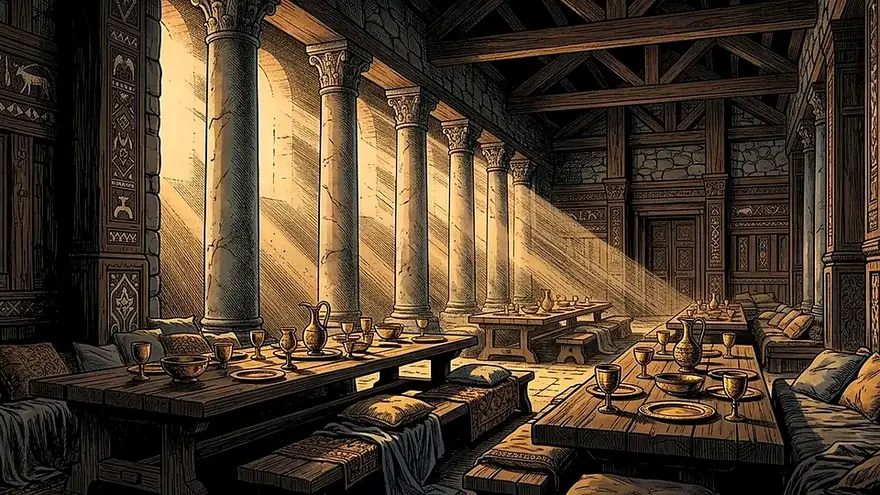
Check his war calendar. Esther 1:3 stages Xerxes's 180-day Susa assembly in Year 3 (483 BCE)—the exact year Herodotus (Histories 7.8) says Xerxes convened commanders to plan invading Greece! Vashti falls, four years pass, and Esther enters the palace in Year 7 (late 479 BCE)—right after Xerxes slunk home defeated from Thermopylae and Salamis into Susa harem intrigues (Herodotus 9.108).
Esther 1:1–3 & 2:16“Esther 1:1–3 — 'Now in the days of Ahasuerus, the Ahasuerus who reigned from India to Cush over 127 provinces... in the third year of his reign he gave a feast for all his officials.' · Esther 2:16 — 'Esther was taken to King Ahasuerus... in the seventh year of his reign.'”
Why It Matters: Before 19th-century scholars deciphered Old Persian cuneiform, Greek translators confused 'Ahasuerus' with later kings Artaxerxes or Cyaxares; decipherment proved Hebrew Achashverosh is the exact Persian name of Emperor Xerxes I of Thermopylae fame!
Scrolls & Archaeology: Published by Assyriologist Arthur Ungnad in 1941 from the British Museum's Borsippa archive (BM 113920), an undated early Achaemenid cuneiform tablet lists a high-ranking court finance inspector named Mardukâ (exact Babylonian form of Mordecai) serving right at Susa (Shushan) alongside Persian grandees! French excavations at Susa led by Marcel Dieulafoy in 1884–1886 also unearthed Xerxes's precise courtyard layout—confirming Esther's architectural distinction between the Outer Court, Inner Court, King's Gate, and glazed-tile pavilion gardens.
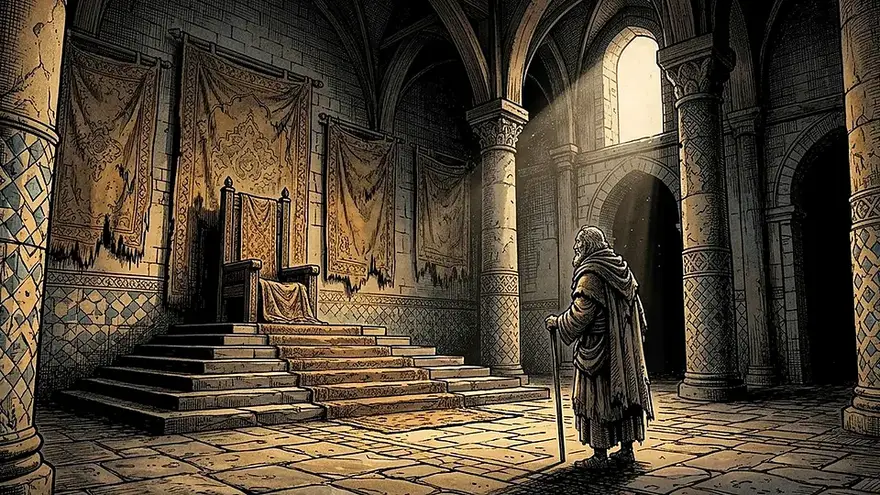
Susa's excavated palace floorplan and the Persepolis 'Marduka' tablet
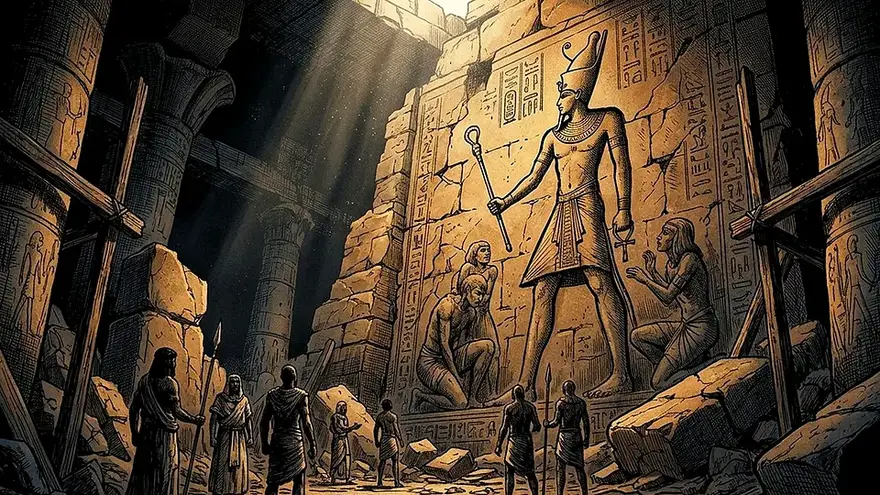
Nineteenth-century skeptics doubted Esther's author had ever seen Persia. Then in the 1880s, French archaeologist Marcel Dieulafoy excavated Xerxes's winter citadel at Susa (Shushan) and uncovered Esther's exact floorplan: a monumental outer Royal Gatehouse where Mordecai sat (Esther 2:19), an inner court facing the throne hall (5:1), and glazed blue-and-white tilework (1:6).
Better still, orientalist Arthur Ungnad identified an unbaked Elamite clay tablet from nearby Persepolis (dated to late Darius I or early Xerxes I) recording disbursements to a Persian treasury official inspecting Susa named Marduka—the exact Babylonian-Persian form of Mordecai!
Esther 1:6 & 5:1“Esther 1:6 — 'There were white cotton curtains and violet hangings... on a mosaic pavement of porphyry, marble, mother-of-pearl, and precious stones.' · Esther 5:1 — 'Esther... stood in the inner court of the king's palace, in front of the king's quarters.'”
The Queen Amestris puzzle in Herodotus: consort rank vs. court novella
Historians weigh one major tension: Herodotus names Xerxes's fierce primary queen before and after Salamis as Amestris, noting Achaemenid kings normally selected chief queens from seven noble Persian clans (Histories 3.84; 9.109). Persian archives also omit any empire-wide Jewish battle edict.
Scholars respond along two main lines. Some note Persian kings kept multiple titled wives and Herodotus records palace rifts sidelining Amestris after 479 BCE, leaving room for a favored consort Hadassah/Esther; others read Esther as a razor-sharp diaspora novella packed with real Old Persian loanwords (partemim, dat, achashdarpenim) to celebrate Purim.
Esther 2:7, 17“He was bringing up Hadassah, that is Esther, the daughter of his uncle, for she had neither father nor mother... the king loved Esther more than all the women, and he set the royal crown on her head.”
Why God's name never appears once in Hebrew Esther
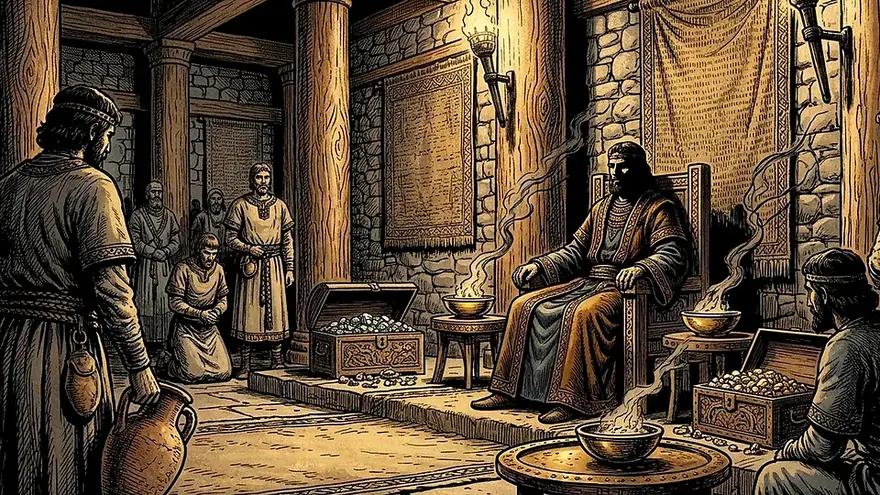
Count every word of Hebrew Esther and a startling fact jumps out: the Persian king appears 190 times, while God (YHWH or Elohim) appears zero times! That silence explains why Esther is the sole biblical book missing among Qumran's Dead Sea Scrolls, and why Greek Septuagint translators nervously spliced in six chapters of explicit prayers.
Yet that silence is Hebrew Esther's masterstroke. In diaspora exile where seas no longer split on cue, God works incognito behind sleepless royal nights, old court ledgers, and Mordecai's veiled hint in Esther 4:14 that relief will arise 'from another place' (makom).
Esther 4:14“For if you keep silent at this time, relief and deliverance will rise for the Jews from another place (mi-makom acher), but you and your father's house will perish. And who knows whether you have not come to the kingdom for such a time as this?”
Book of Esther Alongside Achaemenid Archaeology & Herodotus
Comparing Hebrew court details against fifth-century BCE Persian inscriptions and Greek histories.
| Detail in Esther | External Historical / Archaeological Match | Scholarly Takeaway |
|---|---|---|
| King Achashverosh (1:1) | Old Persian Khshayarsha = Xerxes I (486–465 BCE) | Exact linguistic match & 'India to Cush' realm |
| Year 3 Feast → Year 7 Queen | Herodotus 7.8 (483 BCE war council) & 9.108 (479 BCE return) | Greece campaign fills the exact 4-year narrative gap |
| Mordecai at Susa Gate | Persepolis tablet naming official Marduka at Susa | Confirms authentic Jewish-Babylonian court official name |
| Vashti vs. Queen Amestris | Herodotus names Persian noblewoman Amestris chief queen | Main tension: secondary royal consort vs. diaspora novella |
| Zero Mentions of YHWH | Absent at Qumran; 6 Greek prayers added in Septuagint | Deliberate 'hidden providence' style for diaspora readers |
What to Remember
- Esther's four-year gap between Xerxes's Year 3 banquet (483 BCE) and Esther's Year 7 coronation (479 BCE) matches Herodotus's exact dates for Xerxes planning, fighting, and returning defeated from Greece.
- French excavations at Susa confirmed Esther's palace floorplan down to the outer Royal Gatehouse, inner court, and glazed tilework—alongside a Persepolis cuneiform tablet naming court official Marduka.
- Hebrew Esther never mentions God's name once (making it the lone canonical book absent at Qumran), deliberately teaching exiled readers to spot hidden providence inside ordinary human courage.