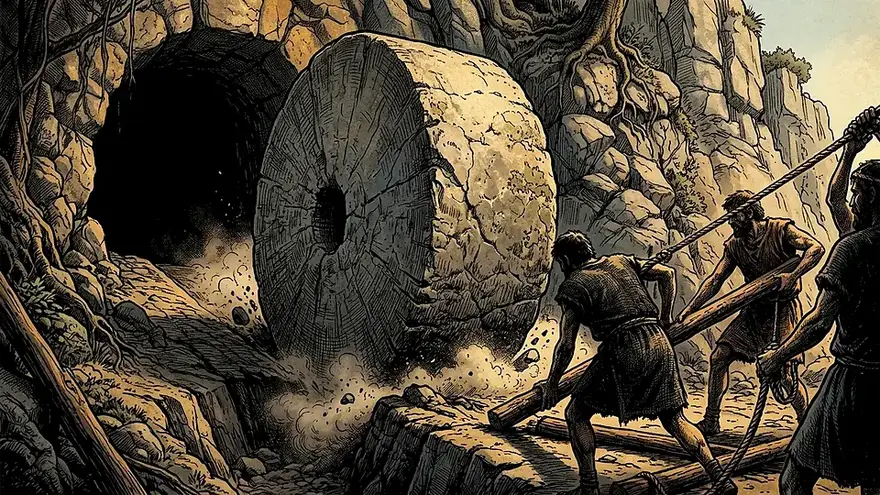
Between Friday afternoon and Easter dawn, Jesus entered the real human realm of the dead—called Sheol in Hebrew and Hades in Greek (Acts 2:31). In 1st-century Jewish thought, Hades held both a walled garden of rest for the righteous ('Paradise,' Luke 23:43) and a prison for rebellious spirits—explaining both the Apostles' Creed ('descended into hell' = Hades) and 1 Peter 3:19.
Solving the three-verse riddle: Paradise, Hades, AND 'Not yet ascended'?
On Friday afternoon Jesus tells the dying thief, 'Today you will be with me in Paradise' (Luke 23:43). Yet Acts 2:31 says His soul went to Hades—and on Sunday morning He tells Mary, 'I have not yet ascended to the Father' (John 20:17)!
First-century Jewish cosmology resolves all three instantly: Hades wasn't fiery Gehenna—it was the realm of the dead, whose righteous garden side was called Paradise (Abraham's Bosom).
Luke 23:43 & Acts 2:31“Luke 23:43 — 'Today you will be with me in Paradise.' · Acts 2:31 — 'He was not abandoned to Hades, nor did his flesh see corruption.'”
Why It Matters: Modern Bibles restore 'Hades' (the universal human realm of the dead, including Luke 23:43's righteous 'Paradise') in Acts 2:31, while 1 Peter 3:19 uses ekēryxen ('heralded victory') rather than evangelistic preaching to fallen Noahic spirits.
Scrolls & Archaeology: In Old English prior to the Renaissance, the Germanic word hell (from Proto-Germanic haljō, 'concealed/covered place') accurately translated Latin inferna and Greek Hades without connoting fiery Gehenna, explaining its survival in the Apostles' Creed. Bodmer Papyrus VIII (P72, 3rd/4th century CE, Vatican Library), the earliest manuscript of 1–2 Peter and Jude, binds all three Watcher-tradition texts inside the same codex.
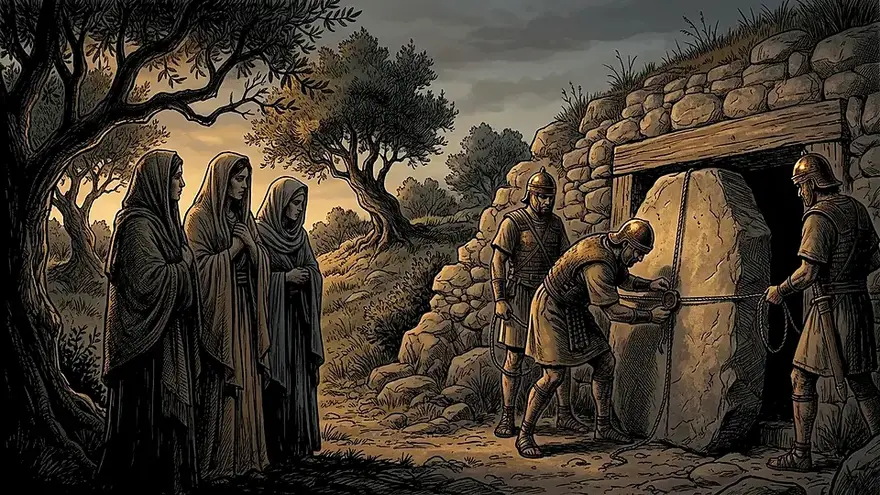
Why the Apostles' Creed says 'He descended into hell'
When Christians around 390 CE recited Latin descendit ad inferna ('descended to the lower realm'), Old English translated inferna/Hades with helan ('hell')—which originally just meant 'the hidden/covered realm of the dead,' not the Lake of Fire.
The Creed wasn't claiming Jesus burned in torment; it confessed He truly died a human death and entered the grave.
Ephesians 4:9 & Revelation 1:18“Rev 1:18 — 'I died, and behold I am alive forevermore, and I have the keys of Death and Hades.'”
Reading 1 Peter 3:18–20 in Greek: Who were 'the spirits in prison'?
First Peter 3:19 says Christ went and 'proclaimed (ekeruxen—announced like a royal herald) to the spirits in prison' who disobeyed in the days of Noah.
Notice two Greek clues: bare pneumata ('spirits') in the New Testament almost always means supernatural beings (the fallen Genesis 6 Watchers chained in Tartarus before the Flood!), whereas 1 Peter 4:6 uses nekrois ('the dead') for human souls.
1 Peter 3:19–20“In which he went and proclaimed to the spirits in prison, because they formerly did not obey, when God's patience waited in the days of Noah.”
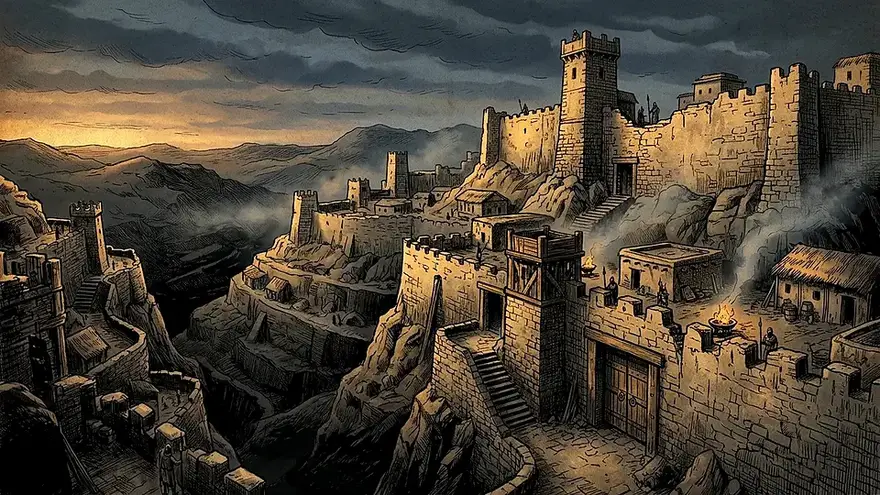
Three historic views—from shattering Hades's gates to proclaiming victory
Across Christian history, three major readings emerged: (1) Eastern Orthodox 'Harrowing of Hades' icons showing Christ shattering bronze gates and pulling Adam and Eve out by their wrists; (2) Augustine's view that Christ's Spirit preached through Noah while building the Ark; and (3) Second Temple victory proclamation announcing to Noah-era rebel powers that their reign is broken forever.
1 Peter 3:22“Who has gone into heaven and is at the right hand of God, with angels, authorities, and powers having been subjected to him.”
One Map Explains “Hell,” “Hades,” “Paradise,” and Holy Saturday
Tap any numbered pin on the cross-section below to see the four different places older English Bibles blurred together.
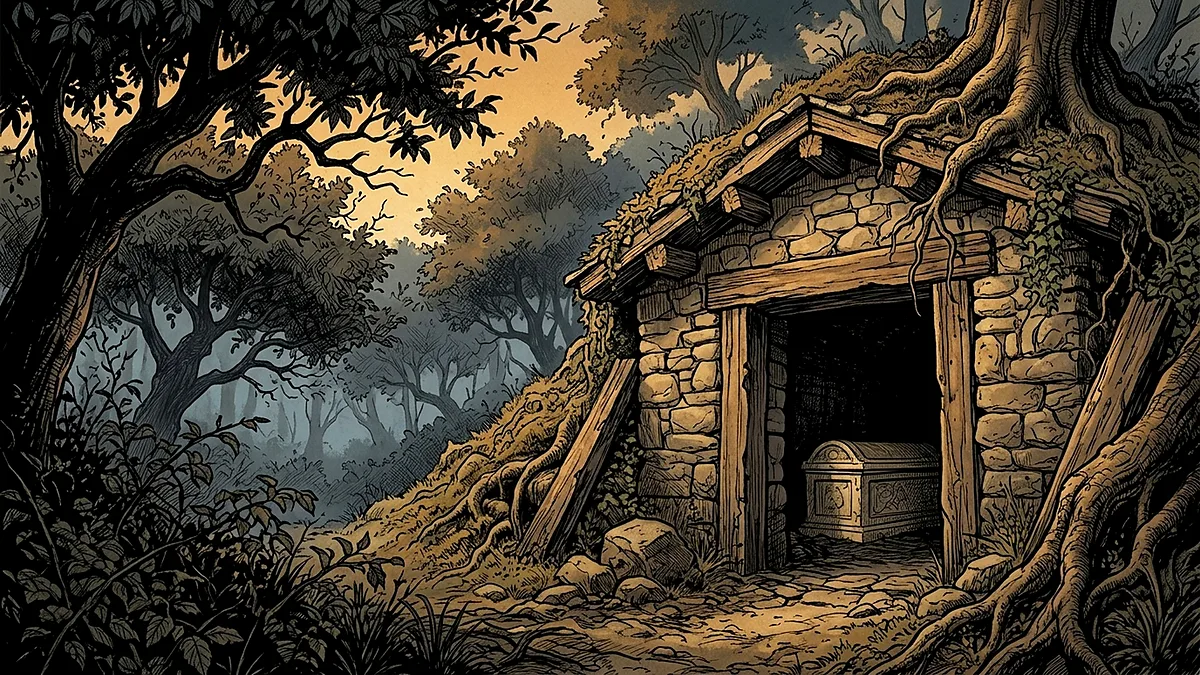
Gehenna (Cursed Valley of Hinnom)
A real rocky ravine just outside Jerusalem's south wall where ancient kings once burned offerings in fire. When Jesus warns of 'hell' (Gehenna), He is pointing straight at this cursed valley of final judgment—not underground Sheol.
Read the Full Story →Solving the Four Holy Saturday Passages Together
Once Hades (the grave) is distinguished from Gehenna, zero contradiction remains.
| Passage | What It Says | Apparent Puzzle | 1st-Century Resolution |
|---|---|---|---|
| Luke 23:43 | 'Today with me in Paradise' | Didn't He say Sunday 'I have not ascended'? | Paradise was the righteous garden side of Hades |
| Acts 2:31 | 'Not abandoned to Hades' | Did Jesus burn in torment? | Hades = human realm of the dead (not Gehenna) |
| Apostles' Creed | 'He descended into hell' | Why say 'hell'? | Old English 'hell' translated Latin inferna = Hades |
| 1 Peter 3:19 | Proclaimed to 'spirits in prison' | Second chance or victory? | Heralded triumph over imprisoned Noah-era Watchers |
What to Remember
- Solving the three-verse riddle: Paradise, Hades, AND 'Not yet ascended'? (Luke 23:43 & Acts 2:31).
- Why the Apostles' Creed says 'He descended into hell' (Ephesians 4:9 & Revelation 1:18).
- Reading 1 Peter 3:18–20 in Greek: Who were 'the spirits in prison'? (1 Peter 3:19–20).