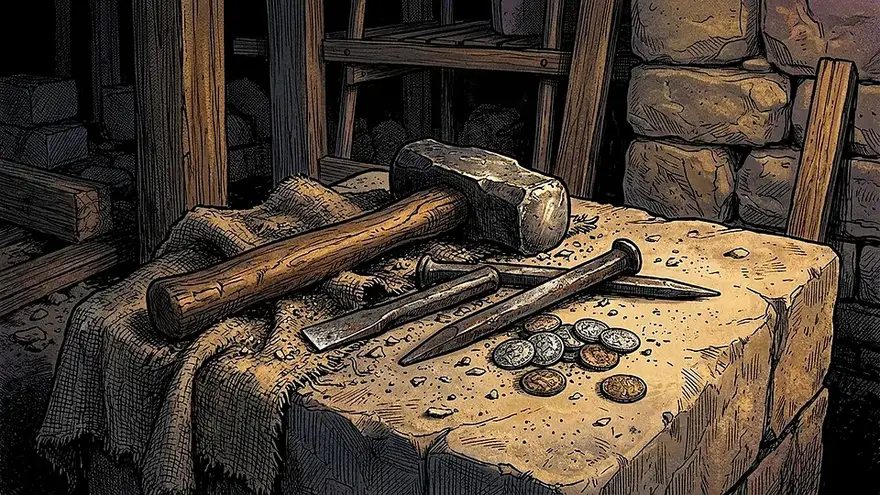
Confirmed in carved limestone by the 1961 Caesarea 'Pilate Stone' ([Pon]tius Pilatus, [Praef]ectus Iudaeae), Pontius Pilate governed Judea from 26 to 36 CE. First-century writers Josephus and Philo portray him as stubborn and brutal. In 36 CE, after Pilate's cavalry slaughtered Samaritan pilgrims at Mount Gerizim, Syrian legate Vitellius stripped him of office and ordered him back to Rome.
June 1961 at Caesarea Maritima: flipping over a recycled theater step
Before 1961, not a single contemporary stone inscription naming Pontius Pilate had ever been found, and historians wondered why Roman senator Tacitus (Annals 15.44) called him procurator—a civilian title standardized only under Claudius in 44 CE. Then Italian archaeologist Antonio Frova excavated the seaside theater at Caesarea Maritima, Rome's administrative capital in Judea.
Turning over a weathered limestone block reused inside fourth-century repair steps, workers brushed dirt off four lines of Latin dedicating a Tiberieum shrine: [PON]TIVS PILATVS [PRAEF]ECTVS IVDAEAE—'Pontius Pilate, Prefect of Judea.' Even bronze prutah coins minted by Pilate in 29–31 CE survive, provocatively stamped with pagan Roman divination staffs (lituus) and libation ladles.
Luke 3:1“In the fifteenth year of the reign of Tiberius Caesar, Pontius Pilate being governor (hēgemoneuontos) of Judea, and Herod being tetrarch of Galilee.”
Why It Matters: For centuries, critics wondered why New Testament writers called Pilate 'governor' (hēgemōn) while Tacitus wrote 'procurator'; the 1961 Pilate Stone proved Tacitus projected a post-44 CE title backward, while Luke 3:1 avoided the anachronism!
Scrolls & Archaeology: In June 1961, Italian archaeologist Antonio Frova's team excavating the Roman seaside theater at Caesarea Maritima turned over a reused 82 × 65 cm limestone stair block (now in Jerusalem's Israel Museum) dedicating a Tiberieum built by Pontius Pilate, Prefect of Judea. In 2018, advanced Reflectance Transformation Imaging (RTI) on a corroded copper-alloy signet ring excavated fifty years earlier at Herodium revealed a wine vessel surrounded by Greek letters ΠΙΛΑΤΟΥ ('of Pilatus'), likely worn by an official stamping goods for Pilate's Judean administration.
Ruthless bully vs. cornered judge? How Sejanus's fall in 31 CE explains both
Outside the Gospels, first-century Jewish philosopher Philo of Alexandria (Embassy to Gaius 301–302) blasts Pilate's 'inflexible, stubborn, and cruel disposition,' citing 'bribes, insults, robberies, and executions without trial.' Josephus records Pilate sneaking Caesar-image standards into Jerusalem by night, seizing sacred Temple treasury money for an aqueduct, and beating protesters with disguised soldiers—matching Luke 13:1's murdered Galileans.
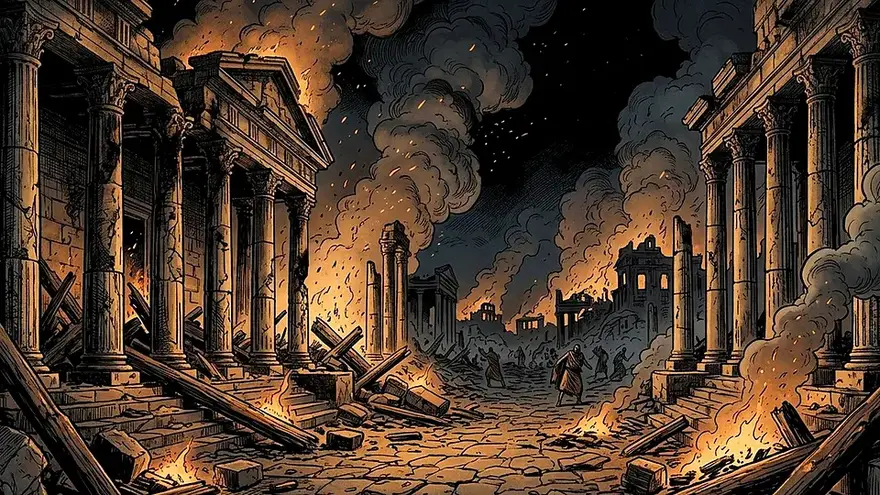
Why, then, does tough-guy Pilate cave in John 19:12 when chief priests warn, 'If you release this man, you are not Caesar's friend'? In October 31 CE, Pilate's likely patron in Rome—anti-Jewish Praetorian commander Sejanus—was executed for plotting against Emperor Tiberius, triggering bloody treason purges. By Passover 33 CE, one accusation of protecting a rival 'king' meant ruin.
Luke 13:1 & John 19:12“Luke 13:1 — 'The Galileans whose blood Pilate had mingled with their sacrifices.' · John 19:12 — 'If you release this man, you are not Caesar's friend (philos tou Kaisaros).'”
The 36 CE Mount Gerizim slaughter that stripped Pilate of command
Three years after Jesus's trial, Pilate pushed too far. Josephus (Antiquities 18.85–89) records that in 36 CE a Samaritan prophet rallied crowds below sacred Mount Gerizim, promising to uncover tabernacle vessels buried by Moses. Before anyone climbed the summit, Pilate blocked the road with heavy cavalry, slaughtering scores and executing prisoners.
Samaritan leaders appealed directly to Lucius Vitellius, imperial governor of Syria. Outraged by the unprovoked carnage, Vitellius stripped Pilate of authority, appointed Marcellus over Judea, and ordered Pilate onto a ship to Rome to answer Emperor Tiberius—who died in March 37 CE while Pilate was still at sea.
Acts 4:27“For truly in this city there were gathered together against your holy servant Jesus, whom you anointed, both Herod and Pontius Pilate, along with the Gentiles and the peoples of Israel.”
Suicide in exile—or canonized saint in Ethiopia?
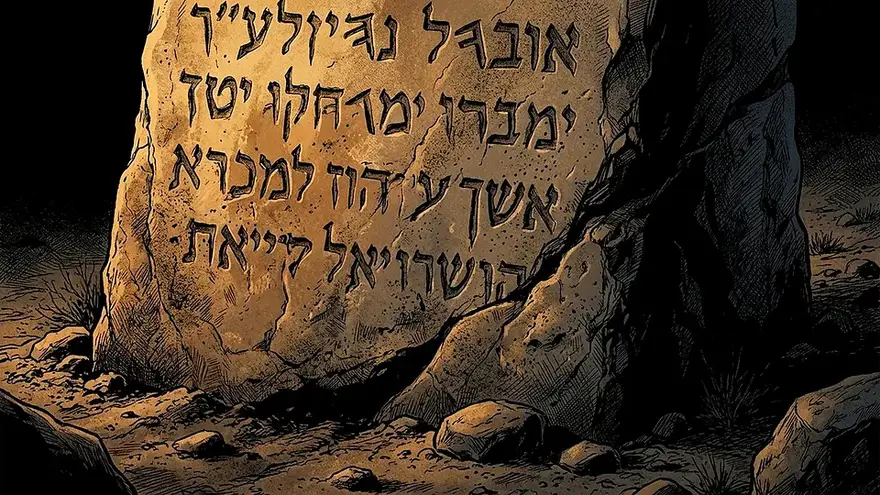
First-century Roman records fall silent once Pilate lands in Caligula's Rome in spring 37 CE; most historians suspect the new emperor shelved Tiberius's old docket and left Pilate in obscure retirement. Around 324 CE, bishop Eusebius (Church History 2.7) reported Greek accounts claiming disgraced Pilate 'became his own slayer' in exile—inspiring medieval legends around Gaul and Switzerland's Mount Pilatus.
Along the Nile, church lore took the opposite turn! Inspired by fourth-century apocryphal Acts of Pilate letters and his wife's warning dream in Matthew 27:19, Coptic and Ethiopian Tewahedo Orthodox Christians revered both Procula and a repentant Pilate as saints every June 25.
Matthew 27:19, 24“His wife sent word to him, 'Have nothing to do with that righteous man, for I have suffered much because of him today in a dream.' ... Pilate took water and washed his hands before the crowd.”
6 Real Digs That Changed How We Read the Bible
Step from 1300 BCE clay tablets to Dead Sea caves and first-century Jerusalem stones.
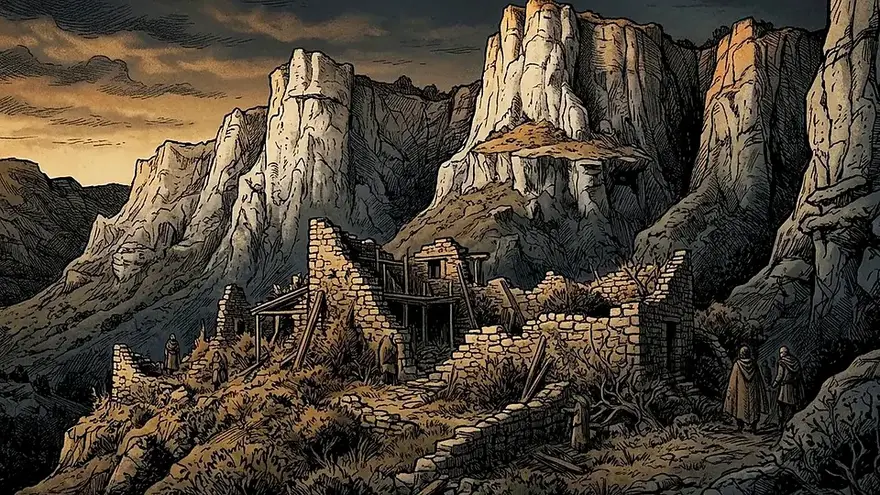
Hidden in desert jars for 2,000 years, Scroll 4QDeutʲ preserves the oldest reading of Deuteronomy 32:8 ('sons of God'), and 11 Aramaic scrolls of 1 Enoch show why Jude and Peter knew the story of the Watchers.
Four Ancient Portraits of Pontius Pilate Compared
How inscriptions, first-century Jewish historians, the Gospels, and late church legends remember Judea's fifth governor.
| Ancient Source | Date | Portrait of Pilate |
|---|---|---|
| Caesarea Stone & Judean Coins | 26–36 CE | Roman equestrian Praefectus building for Tiberius while stamping pagan symbols on Judean coins |
| Philo & Flavius Josephus | c. 40–94 CE | Provocative, heavy-handed administrator recalled to Rome after the 36 CE Samaritan bloodshed |
| Four Canonical Gospels | 1st c. CE | Cynical pragmatist caught between contempt for Jerusalem's priests and terror of Tiberius's treason trials |
| Eusebius vs. Coptic/Ethiopian Lore | 4th–6th c. CE | Diverging legends: disgraced suicide in exile (West) vs. repentant Christian convert & saint (Ethiopia) |
What to Remember
- Unearthed at Caesarea Maritima in June 1961, the limestone 'Pilate Stone' proved Pilate's authentic early military title was Praefectus ('Prefect'), earlier than Tacitus's later term 'Procurator.'
- Sejanus's execution for treason in Rome (October 31 CE) explains why normally ruthless Pilate panicked in John 19:12 when Jerusalem elites shouted 'You are no friend of Caesar!'
- Recalled in disgrace after the 36 CE Mount Gerizim massacre, Pilate vanishes from Roman state records—inspiring suicide accounts in Eusebius and saint veneration in Ethiopian tradition.